BREAST REDUCTION
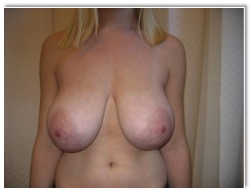
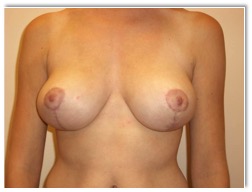
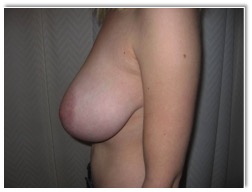
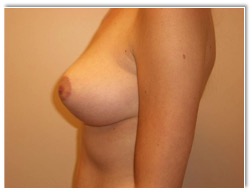
BREAST REDUCTION
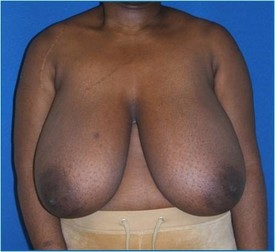
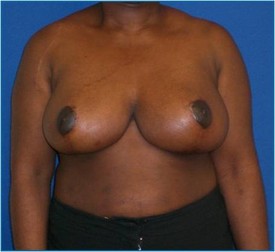
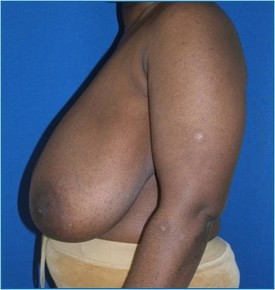
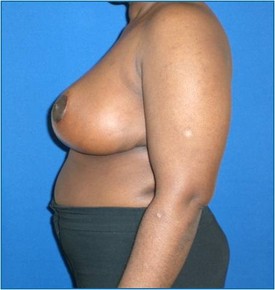
BREAST REDUCTION
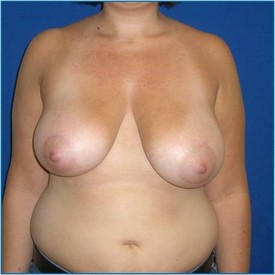
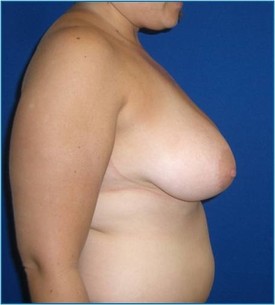
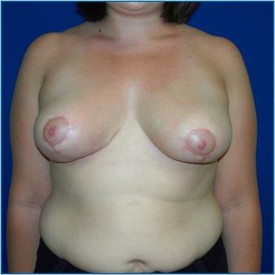
BREAST REDUCTION
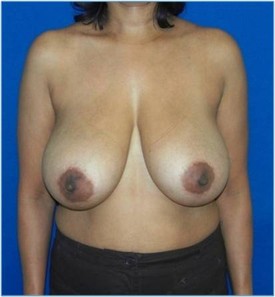
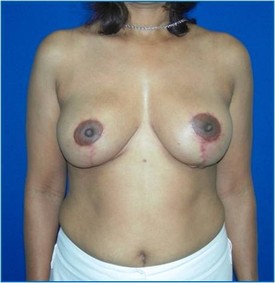
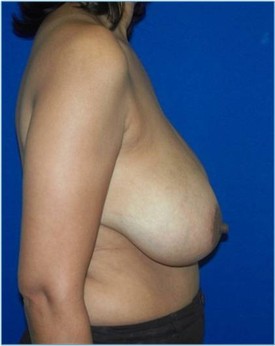
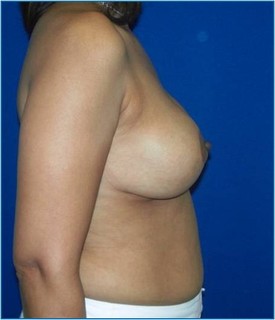
BREAST REDUCTION
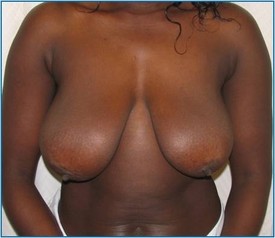
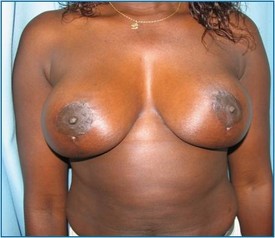
BREAST REDUCTION
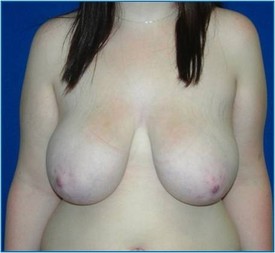
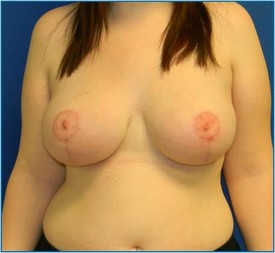
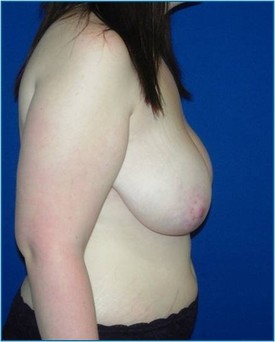
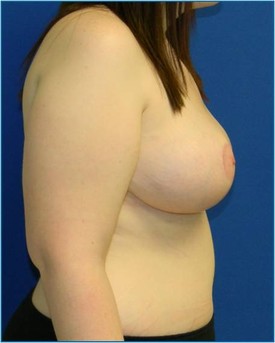
BREAST REDUCTION
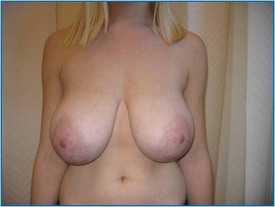
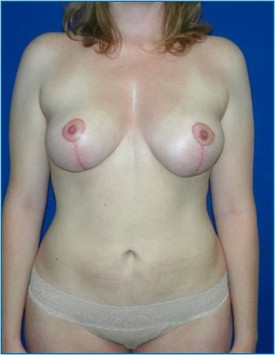
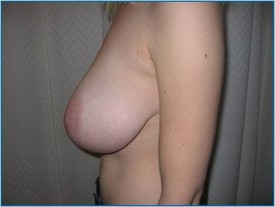
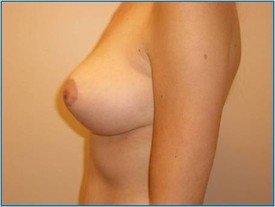

BREAST REDUCTION
BREAST REDUCTION
BREAST REDUCTION
BREAST REDUCTION
BREAST REDUCTION
BREAST REDUCTION
BREAST REDUCTION


Great work and results. Friendly doctor with nice treatment. Highly educated with great experience. He coordinates with his staff to stay communicated with their patients before or after surgery. You can’t feel afraid during the surgery time. I would also recommend him for plastic surgery for both genders of people.
Great office staff. Dr. Singh is truly amazing at what he does. I had a great experience with my Lipo 360. I’m currently 5 days post op and I’m loving my results.
My experience with Dr. Singh and the entire staff was exceptional! He was extremely thorough and very patient. The staff was awesome too! They were kind and always had such a wonderful attitude! I’m extremely happy with my results! Highly recommend!
Dr. Singh does amazing work. All his staff are very knowledgeable and professional. I highly recommend him.
Amazing doctor! Excellent staff. Dr. Singh is a doctor that shows you that there are still excellent doctors around. He gives you great ideas and he gives you the most bang for your buck and takes your budget seriously. I am going back soon!
The purpose of my review is to highly recommend Dr. Singh for plastic surgery. I couldn’t be more pleased with his surgical skill. His office staff was incredibly helpful as well. They are approachable and well informed. I researched several surgeons in the DC metro area and visited with three. Dr. Singh was the second surgeon I visited and when I left his office, I knew he was the best surgeon for me. He understood the results I was hoping for and he was honest with me about what I should expect. His demeanor is calm, collected, and confident. His staff is truly phenomenal. I asked them a million questions and to them there wasn’t a question too personal or too mundane. They really helped me be at ease with what I was planning to do and they walked me through every step of the procedure so I knew what to expect from surgery and during the recovery process.
WOW! Dr. Singh and his staff were wonderful. After meeting him, I was no longer nervous and very excited. They made the whole process comfortable and non-scary. The results were spectacular. I looked and felt great. I got my confidence back! I was treated great and came back for the second procedure. This is the place to go! You will be happy with the quality of work and the personalized service. Thanks so much guys!!!!
Dr. Singh is absolutely amazing at his job! I’ve been his patient for about 6 years now and I continue to use his services not only because of his expertise and meticulously high standards, but also his integrity. All of the staff are professional, kind and attentive. They truly are the best in the area!
Dr. Singh and his staff are absolutely phenomenal. I am a male diagnosed with Poland’s Syndrome. I chose to have a pec implant surgery, and I could not have been happier with my results. Stunning. No longer do I feel I have to hide my abnormality with jackets and oversized shirts. I feel I have obtained a second family with the staff. I cannot say enough…simply. From recluse to social butterfly!
Washingtonian Plastic Surgery was a great place for me to get my breast augmentation done because Dr. Navin Singh is an excellent doctor and was very upfront and honest with his opinion on what would best fit me and would look as natural as possible. I am happy with my results and totally recommend anyone who wants to become a newer and better version of themselves to go here! Very comfortable environment with great customer service from the ladies at the front desk. You won’t regret it!
I was truly impressed with your nice facility, the caring staff, and friendly attitudes and smiles. The office was furnished with style and class. The doctor I saw, Dr. Navin Singh, is TRULY AMAZING, as well as the front desk staff. It was good to be treated with professionalism and care. I appreciated their follow-up and willingness to answer questions as well. All this adds up to fabulous customer service, which can be hard to come by. THANK YOU ALL SO VERY MUCH!!! You have a customer for life.
At fifty-nine (59), I had contemplated eyelid surgery for years. My upper eyelids grossly sagging & my under-eye puffiness covered an area 2″ x 2″ under the eyes. Dr. Navin Singh’s superior excellence to detail & perfection changed my life! Dr Navin Singh is the Dr’s, the patient’s & the only choice.
Dr Singh and his staff are so professional and is always available to be in contact with, not like most doctor offices around. He was very honest and made me feel very comfortable. I’m three days into my tummy tuck procedure and I will say he explained and went over everything as they would happen. I can’t yet tell my results but it’s a noticeable change. I will definitely recommend and go back for more procedures!
I know the decision to have cosmetic surgery is a big one. It can be costly, and it carries some risk, but it will change your life for the better. I used this site a lot when making my decision and I had consultations with several surgeons. I took a methodical approach, weighed all my options carefully, and I can say with full confidence that if you’re looking for a procedure that Dr. Singh performs, you should go with him, or at least have a consultation. He’s an amazing doctor and just a great person in general. His staff is as kind, patient, thorough, and knowledgeable as he is, and all of that makes a huge difference.
Dr. Singh is AMAZING!!!! I have nothing but wonderful things to say about him and his team. He is so personable and I loved that he and his team made sure that all my questions and concerns were addressed and answered. I started my journey with Dr. Singh in 2010 with a breast augmentation. I did 500cc saline, filled to 550cc. He and his staff were so supportive and helpful before, during, and after surgery. My breasts look so nature and look fantastic!!! I was so happy with my results and Dr. Singh that I went back to him for a tummy tuck with muscle repair in 2012 and now I’m going back for liposuction!
The mini-tummy tuck turned out even better than I expected
Dr. Singh, In two weeks, I didn’t have any bruising, swelling is gone, it looks so natural. I just got engaged and I look so good in my pictures. Thanks so much.
You are a VERY special man. You & Nicolette have changed my life. THANK YOU!! 🙂

Copyright ©. All rights reserved. Website Design by NOVA Advertising
